Personal Healthcare · Public Seminar

Your Health, Your Decisions

Viruses vs Bacteria · Flu Prevention · Using Medicines Correctly — an evidence-based guide for every family.

A talk by your doctor · English session · ~60 min

Agenda · 14 slides

What we'll cover today

01 · Viruses vs Bacteria

Two very different enemies — and why it matters for treatment.

02 · Flu Prevention

Vaccine, hygiene, and building immunity.

03 · Using Medicines Correctly

Antibiotics, azithromycin, steroids — what they are and how to take them.

04 · Q&A & Takeaways

A checklist you can take home today.

Topic 01 · The basics

Viruses and bacteria are not the same
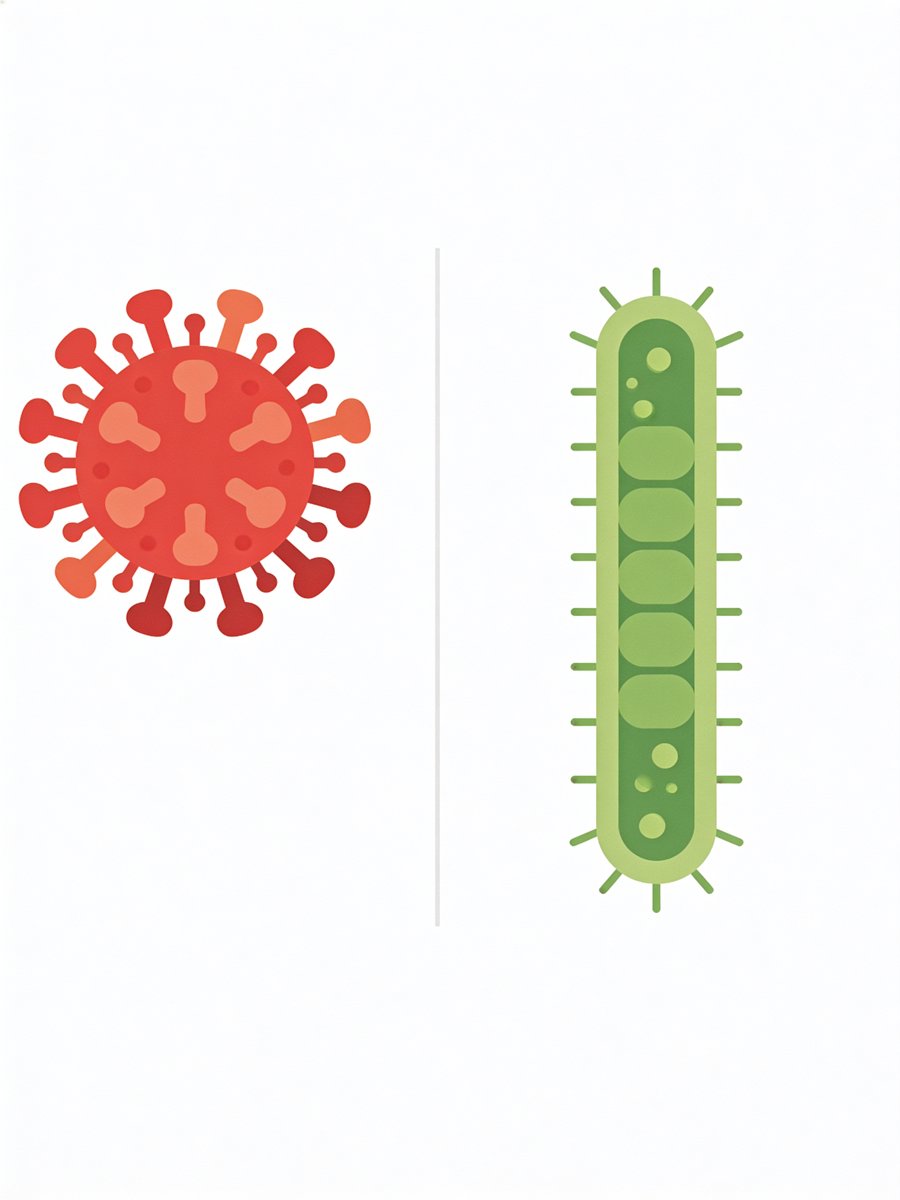
Comparison of a virus and a bacterium
  • Bacteria — living cells

    Single-celled organisms that can reproduce on their own. Some are harmless, some cause infection.

  • Viruses — not really "alive"

    Tiny genetic material in a protein coat. They can only multiply inside your cells, by hijacking them.

  • Why it matters

    Antibiotics kill bacteria — they do nothing against viruses.

Topic 01 · A practical guide

Common infections — which is it?

Common cold / flu / COVIDVirus — antibiotics don't help
Sore throatUsually virus; sometimes bacteria (strep)
Ear infectionOften bacterial
Urinary tract infectionBacterial — antibiotics usually needed
Diarrhea / food poisoningOften viral; some bacterial

Your doctor decides, not a guess. Never pressure your doctor for antibiotics "just in case".

Topic 02 · Prevention

Flu prevention that actually works
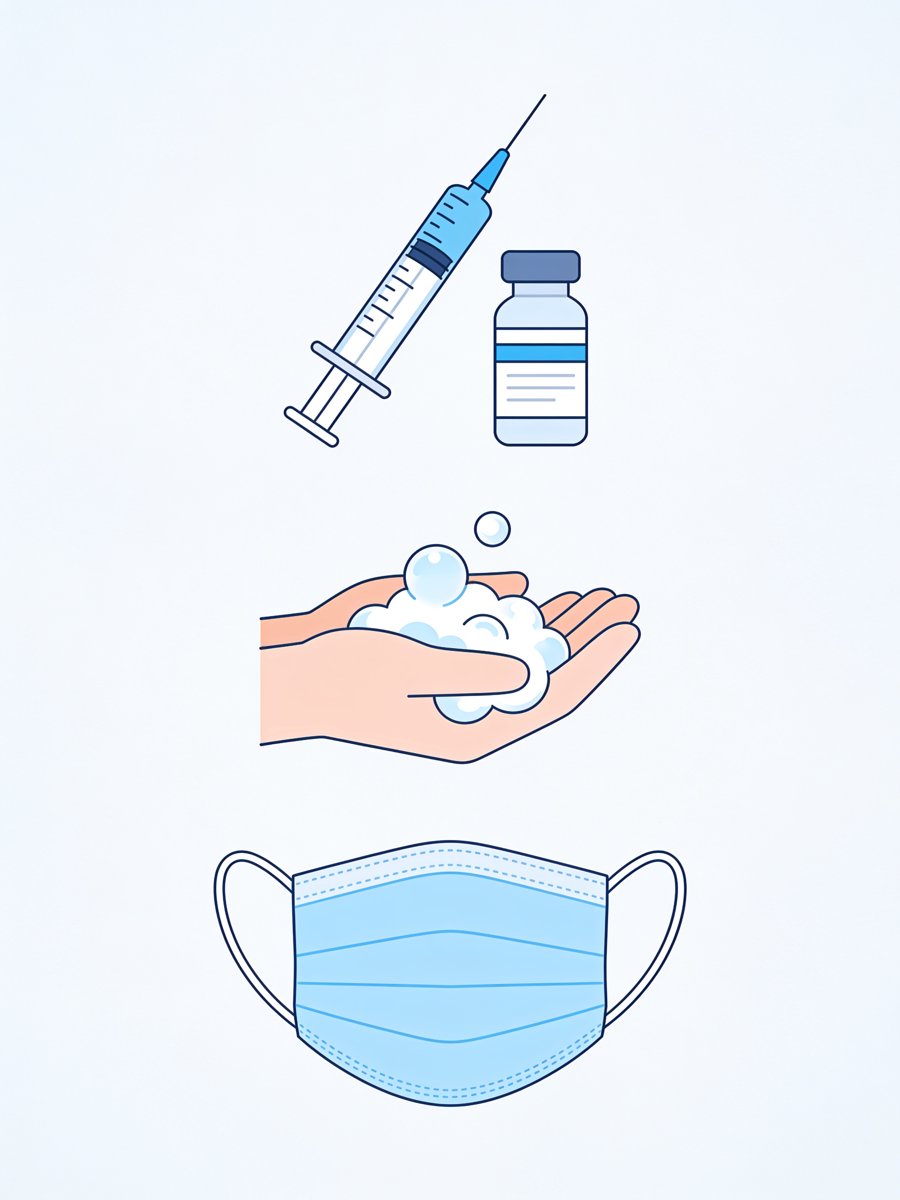
Flu prevention: hand washing, mask, vaccine
  • ① Annual flu vaccine

    The single best protection. E.g. in a typical flu season, vaccination lowers risk of flu illness by roughly 40–60%.

  • ② Hand hygiene

    Wash with soap & water for ≥20 seconds; alcohol hand gel when out.

  • ③ Cover & mask

    Cough/sneeze into your elbow. A mask helps protect others when you're sick.

Topic 02 · Myths vs facts

Build immunity the right way

❌ Antibiotics prevent flu

False. Flu is a virus. Antibiotics do nothing and only promote resistance.

✔️ Vitamins alone prevent flu

Part myth. A balanced diet helps, but it's not a substitute for the vaccine.

✔️ Sleep & exercise

Regular sleep, activity, and stress control support a healthy immune system.

❌ The vaccine gives you the flu

False. The injected vaccine can't give you the flu. Mild soreness is normal.

Topic 03 · Medicines

The right medicine, taken the right way
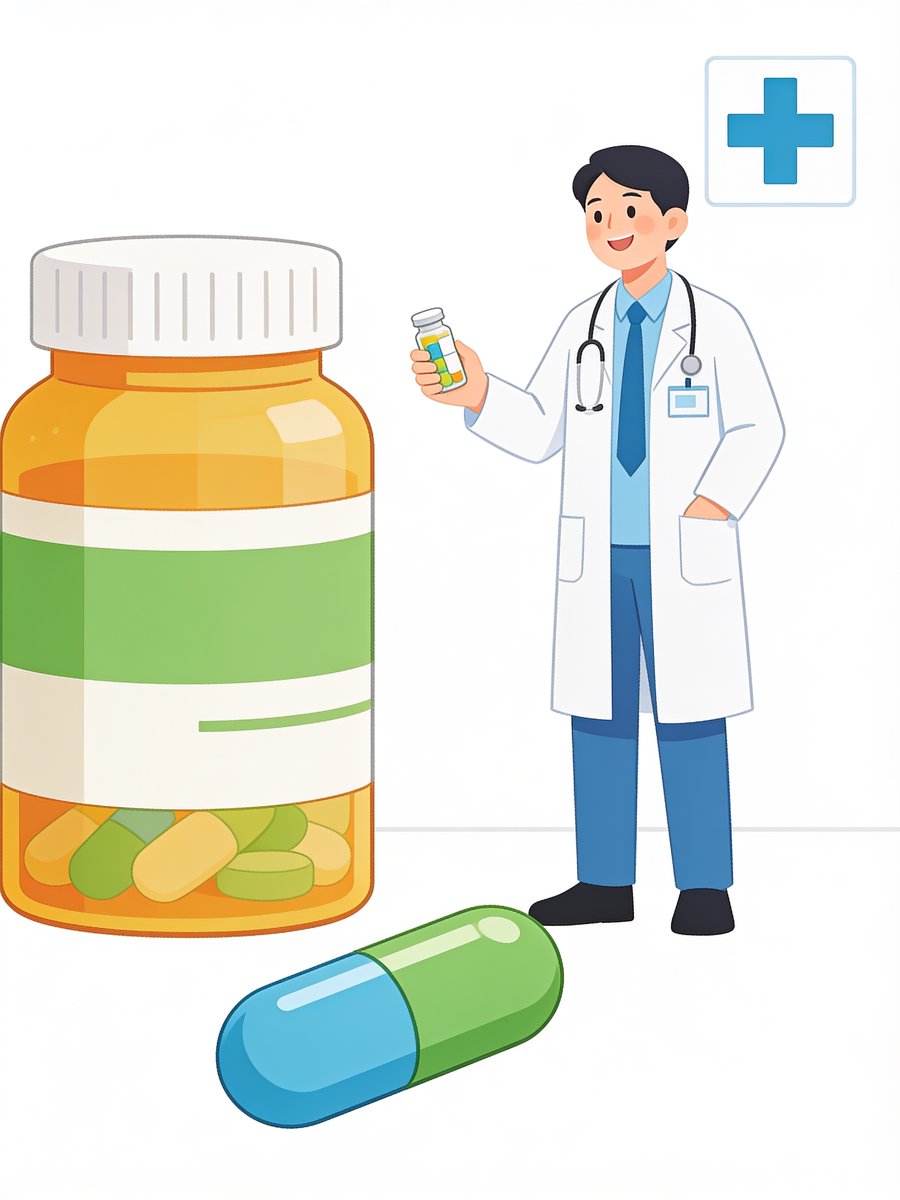
Correct use of medicines with pharmacist counseling
  • Medicine ≠ candy

    Every medicine has benefits and risks. The dose, timing, and duration matter.

  • Never self-prescribe

    Especially antibiotics and steroids — wrong use is dangerous.

  • Read the label & finish the course

    Follow the exact dose. For antibiotics, finish the full course even if you feel better.

Topic 03 · Antibiotics

Antibiotics: only for bacteria

What they treat

Bacterial infections only — strep, UTI, some pneumonia. Useless for colds & flu.

Take them correctly

Same time daily, never skip, complete the course, don't share or use leftovers.

Azithromycin

A macrolide antibiotic for certain bacterial infections. Often dosed once daily; typically a short course (e.g. 3–5 days).

Never "just in case"

Misuse breeds antibiotic resistance — bacteria evolve to defeat the drugs.

Topic 03 · Steroids (hormone medicines)

Corticosteroids — powerful, not to be feared

What they are

Corticosteroids (e.g. prednisone) mimic your body's natural hormones to reduce severe inflammation.

What they treat

Asthma, severe allergic reactions, autoimmune conditions, certain rashes.

Used correctly = safe

Short-term, doctor-prescribed courses work well. Don't stop suddenly without advice.

Long-term misuse = risks

Weight gain, high blood sugar, bone loss, infection risk. Never buy or use unbranded "miracle creams/pills".

Topic 03 · Rules of thumb

Four golden rules for any medicine

① Know what it's for

Ask: is this virus or bacteria? Is this an antibiotic or a steroid? Understand the job.

② Dose, timing, duration

Exact dose, regular timing, complete the full course.

③ Watch for side effects

Any rash, swelling, breathlessness → stop & seek help.

④ Ask your pharmacist

They review interactions, food restrictions, and storage — use them.

Wrap-up · Take-home

Your take-home checklist

✔️ Get the annual flu vaccineBest protection — every season
✔️ Wash hands ≥20sAnd cover coughs in your elbow
✔️ Don't push for antibioticsViruses won't respond; resistance is real
✔️ Finish antibiotic coursesEven when you feel better
✔️ Respect steroids & ask your doctorNo unlabeled "miracle" products
✔️ When in doubt, ask a professionalDoctor, nurse, or pharmacist

A note from your doctor

Please remember

This talk is general health education — it is not medical advice for your specific situation. Medicine is personal: your history, your allergies, your other medications all matter. Always consult a qualified healthcare professional before starting, changing, or stopping any treatment.

Emergency? Call your local emergency number right away.

Thank you for listening — stay curious about your health, and ask questions. Your doctor is your partner, not your boss. 💙

Discussion

Questions & answers

Common questions we hear

  • "Should I take antibiotics for a cold?" → No. It's viral.

  • "Can I stop antibiotics when I feel better?" → Finish the course.

  • "Are steroids dangerous?" → Not when doctor-prescribed & short-term.

  • "Can I get the flu from the vaccine?" → No.

Your turn

Ask freely. If it's about your own health, I'll suggest seeing your doctor in person.

Wrap-up · Thank you

Stay healthy, stay informed.

Prevent what you can, treat what's real, and always trust the professionals for your own care.

Graco · ← → navigate · S presenter · T themes (try the light themes!) · F fullscreen